Commercial Fit-Outs: Office, Retail & Hospitality Costs & How to Get Quotes
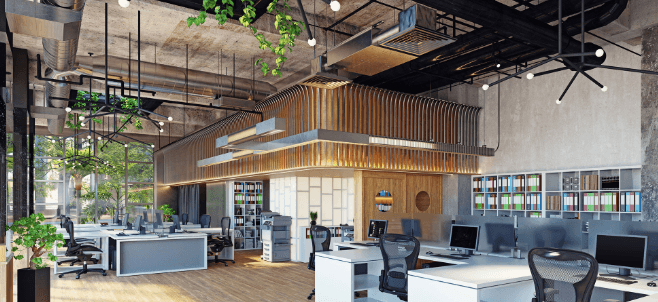
A well-designed commercial fit-out can transform a bare shell into a productive, attractive, and functional business space. Whether you're opening a new office, retail store, restaurant, or hotel, fit-out costs are significant — and getting the specification, budget, and contractor right is critical to success.
So how much does a commercial fit-out cost? What's the difference between Cat A and Cat B? How long does it take? And how do you find a reliable fit-out contractor who delivers on time and budget? This guide explains commercial fit-out costs by sector, specification levels, timescales, and how GetFixt can connect you with verified fit-out specialists quickly.
How much does a commercial fit-out cost?
- Cat A office (basic shell, ready for tenant): £400-£800/m²
- Cat B office (fully fitted, desks, IT, meeting rooms): £800-£1,500/m²
- High-spec office (breakout areas, acoustic treatment, AV): £1,500-£3,000/m²
- Basic shop fit-out (flooring, lighting, basic fixtures): £300-£700/m²
- High-end retail (luxury finishes, bespoke fixtures): £1,500-£4,000/m²
- Basic café or fast-casual restaurant: £800-£1,500/m²
- Fine dining or hotel (high-spec, commercial kitchen): £2,500-£5,000+/m²
- GP surgery or dental practice: £1,200-£2,500/m²
- London and South East: Add 20-40%; Midlands, North, Scotland: 15-25% cheaper
Need a quote? Photograph your equipment.
GetFixt identifies any piece of building equipment from a photo and connects you with verified tradespeople - free to use.
What's the difference between Cat A and Cat B fit-out?
Cat A (landlord fit-out)
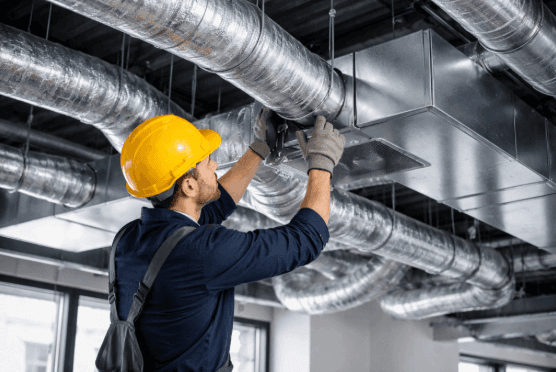
Basic shell prepared for tenant occupation. Includes: raised access floors or screed, suspended ceilings with lighting, basic HVAC, toilets and kitchenette (core services), fire safety (sprinklers, alarms, emergency lighting), and incoming power and data infrastructure. Cat A is usually delivered by the landlord. The tenant then completes Cat B.
Cat B (tenant fit-out)
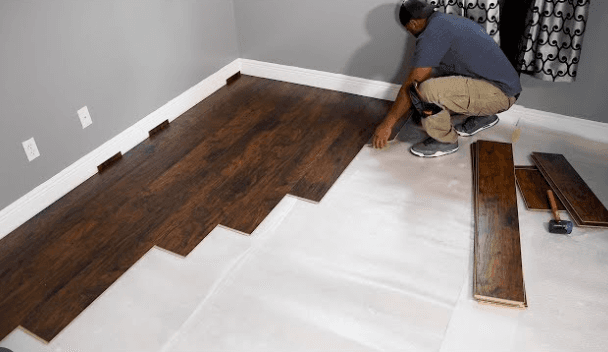
Full customisation for the tenant's specific needs. Includes: partition walls (meeting rooms, offices, breakout areas), flooring, decorating and branding, furniture, IT infrastructure (cabling, servers, WiFi), kitchens and tea points, AV equipment, and acoustic treatment. Cat B is the tenant's responsibility and is where most customisation and cost happens.
How long does a commercial fit-out take?
- Small office (50-100m²): 4-6 weeks
- Medium office (200-500m²): 8-12 weeks
- Large office (1,000m²+): 12-20 weeks
- Retail unit (100-300m²): 6-10 weeks
- Restaurant or café (150-300m²): 8-14 weeks
- Hotel or multi-unit hospitality: 16-30+ weeks
Delays can occur due to planning or Building Control approvals, lead times on bespoke furniture or equipment, coordination with landlord or other tenants, and unforeseen structural issues. Always build a 10-20% buffer into your programme.
Building Regulations and commercial fit-outs
All commercial fit-outs must comply with Building Regulations. Key areas: Part B (fire safety — fire doors, escape routes, fire alarm, emergency lighting, compartmentation), Part F (ventilation — minimum fresh air rates, CO₂ monitoring in meeting rooms), Part L (energy efficiency — lighting controls, HVAC efficiency, insulation), Part M (access — accessible toilets, level thresholds, door widths), and Part P (electrical safety — BS 7671 compliance, certificates required). Your fit-out contractor should handle Building Control notifications and inspections.
What qualifications should a fit-out contractor have?
- Public liability insurance (minimum £5-£10 million)
- Employer's liability and professional indemnity insurance
- CHAS (Contractors Health and Safety Assessment Scheme)
- Constructionline (government-approved contractor register)
- CIOB (Chartered Institute of Building) membership
- Experienced project manager (APM or PRINCE2 qualified)
- Portfolio and references — completed fit-outs in similar sector
- M&E subcontractors: NICEIC/NAPIT (electrical), Gas Safe, F-Gas certified (HVAC)
Common commercial fit-out problems and how to avoid them
- Project overruns budget by 20-50%: detailed specification upfront, 10-15% contingency budget, change control process
- Delays push back opening date: critical path planning, early procurement of long-lead items, experienced project manager
- Building Control rejects work: contractor should have Building Control experience, attend inspections
- Tenant disputes with landlord: agree scope with landlord in writing before starting, submit drawings for approval
- IT or AV systems don't work on day one: appoint a single project manager to coordinate all trades
How to avoid cowboy fit-out contractors
- ❌ Demands large upfront payment (more than 10-20%)
- ❌ No written contract (JCT or NEC standard contracts should be used)
- ❌ No detailed programme or project plan
- ❌ No health and safety policies or risk assessments
- ✅ Get 3 written quotes from experienced fit-out contractors
- ✅ Verify insurance (public liability, employer's liability, professional indemnity)
- ✅ Use standard contracts (JCT Minor Works or NEC3)
- ✅ Appoint a project manager or contract administrator
- ✅ Pay in stages tied to completion milestones
- ✅ Use verified platforms like GetFixt where contractors are checked before joining
How GetFixt connects you with verified fit-out contractors
Finding reliable commercial fit-out contractors usually means weeks of tendering, site visits, and chasing quotes. GetFixt removes that friction. You upload details of your project — floor plans, specification, programme requirements. The app shares these with verified commercial fit-out contractors covering your area. They can assess the work before responding, which means accurate quotes without wasted preliminary meetings.
Most GetFixt users receive competitive fit-out quotes within a few days (commercial projects require more detailed assessment than domestic work). GetFixt is free to use for business owners, facilities managers, and property developers. It covers 35+ trade categories beyond fit-outs — electricians, HVAC, fire safety, flooring, partitioning, and more.
Need a quote? Photograph your equipment.
GetFixt identifies any piece of building equipment from a photo and connects you with verified tradespeople - free to use.
About the author
GetFixt Team
GetFixt was built by trade professionals who understand the frustration of slow quotes and miscommunication. The app uses AI-powered equipment identification to connect property owners with verified tradespeople across 35+ categories - from electrical and gas to HVAC, solar, and fire safety.
Free to use
Ready? Take your first photo.
Photograph your equipment and get quotes from verified tradespeople near you - in hours, not days.